
Surveillance Pricing… Myth or Fact?

Surveillance Pricing... Myth or Fact?


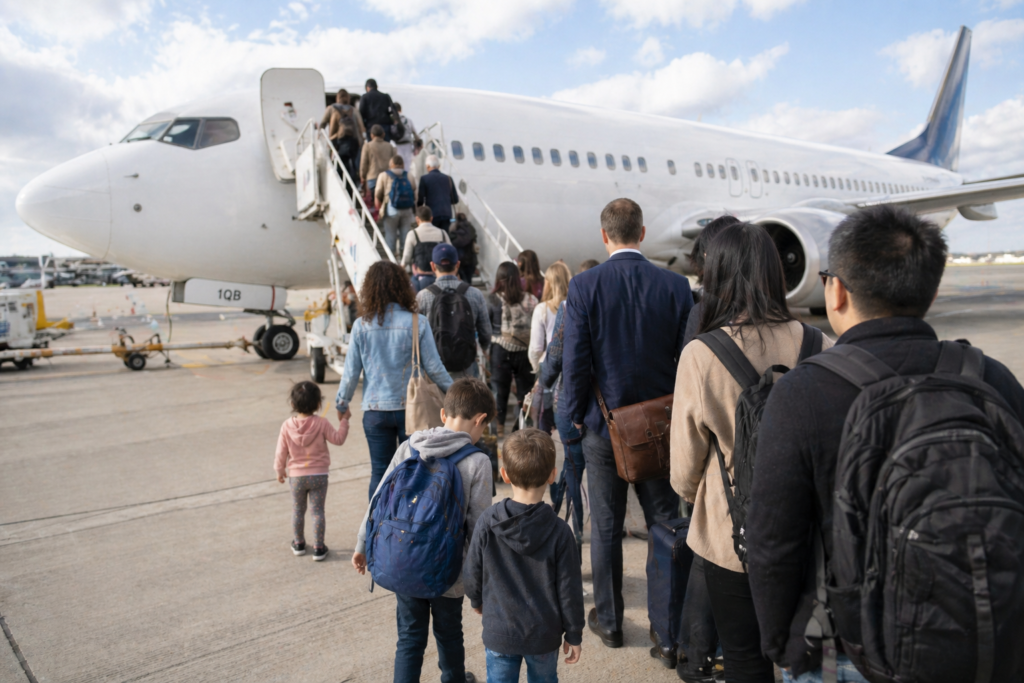
Take a typical flight. Three passengers sit side by side, all heading to the same destination. What most people don’t realise is that each of those seats may have been sold at a completely different price.

It’s an uncomfortable thought. Especially when you start wondering why.

Did the airline recognise your repeated searches and quietly raise the fare? Did your location or profile influence what you were shown? These concerns have led to growing talk about “surveillance pricing”. The idea that companies adjust prices based on who you are and how you behave online.

It’s an appealing theory. But it doesn’t quite reflect how airline pricing actually works.


The myth of surveillance pricing

Surveillance pricing refers to setting prices based on personal data such as browsing habits, demographics, or spending patterns. While it exists in some sectors, there’s little evidence that airlines are using it to set ticket prices.

A recent incident involving JetBlue brought this issue into the spotlight. A traveller noticed a sharp increase in fare and called it out publicly. A customer service reply suggested clearing cookies or using a private browser. This was quickly interpreted as confirmation that user behaviour was being tracked and priced accordingly. The airline later corrected the statement, confirming that its pricing does not work this way.

Where regulation stands

From a legal perspective, pricing flexibility is allowed. Airlines, like most businesses, can adjust fares based on supply and demand. Promotions, advance purchase discounts, and special fares for certain groups are all standard practice.

However, using personal data such as income level or residential location to set individual prices is far more contentious. Regulators, including the Australian Competition and Consumer Commission, have flagged this as an area worth watching, although specific rules remain limited.

What’s really happening behind the scenes

What travellers are seeing is not personalised pricing. It’s dynamic pricing.

Airlines rely on complex systems designed to maximise revenue across every flight. These systems constantly adjust fares based on demand signals. Factors include how quickly seats are selling, seasonal trends, days to departure, and expected booking behaviour.

Seats are grouped into different pricing tiers. Once the lower-priced seats are sold, the system automatically moves to the next tier. This can happen quickly, sometimes within hours, which explains why a fare you saw earlier may no longer be available.

Different types of travellers also influence this model. Holidaymakers tend to book early and are more price-sensitive. Business travellers often book later and are less price-sensitive. Airlines structure their inventory accordingly.

Why it matters

It can feel personal when a fare increases between searches. In reality, it’s not about you. It’s about timing, availability, and demand.

The takeaway is straightforward. Airfares are fluid. When you find a fare that fits your plans and budget, delaying the decision can mean missing out. Not because the system is tracking you, but because someone else booked the seat first.

Leave a Reply

Proceed Booking